Vertical farming represents a promising frontier in sustainable agriculture, offering more than just environmental benefits. Beyond its ability to increase crop yields and reduce water usage, vertical farming has significant potential to enhance local economies. By creating new job opportunities, cutting down on transportation costs, and bolstering local food systems, this innovative farming method can play a vital role in community development and economic resilience.
Job Creation and Economic Opportunities in Urban Areas
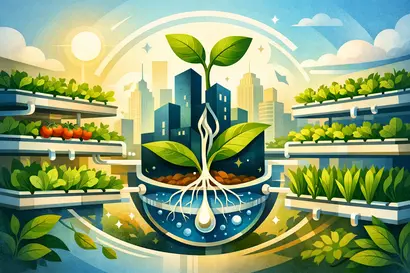
As vertical farms are often situated within or near urban centers, they bring agricultural employment closer to population hubs. This proximity creates diverse jobs not only in farming but also in technology, facility management, and logistics. Unlike traditional agriculture that is geographically dispersed, vertical farming’s urban-centric nature helps to invigorate local labor markets.
However, vertical farming ventures have faced challenges related to labor costs and operational expenses. Many companies initially struggled to maintain profitability due to high energy use and premature scaling. Successful models emphasize profitability through optimized operations and niche crop selection, such as premium produce targeted at local markets. This business approach supports sustainable job growth without compromising financial viability.
Reduced Transportation Costs and Environmental Impact
One of the most tangible impacts of vertical farming on local economies is the substantial reduction in transportation costs. By growing produce within city limits or nearby, vertical farms eliminate the need for long-distance shipping, which decreases fuel consumption, carbon emissions, and supply chain disruptions. This greater efficiency not only benefits the environment but also reduces expenses passed on to consumers and retailers.
Furthermore, localizing food production enhances food security and freshness. Consumers gain year-round access to fresh, pesticide-free crops grown in controlled environments, making the local food supply more reliable and less exposed to seasonal variability that often affects traditional farming.
Supporting and Reinforcing Local Food Systems
Vertical farming’s integration into urban settings supports existing local food networks and fosters new opportunities for collaboration between growers, businesses, and communities. These farms can supply local restaurants and retailers, creating shorter, more resilient supply chains that benefit all stakeholders.
Innovative companies that focus on data-driven agriculture and precision farming methods contribute to this by increasing resource efficiency and crop output. This aligns well with broader goals of sustainable food systems, making vertical farming an essential part of modern agriculture’s future. For example, initiatives that prioritize niche markets and premium crops demonstrate how vertical farming can become economically sustainable while enhancing local culinary scenes.
Learning from Past Challenges to Enhance Economic Benefits
While the potential economic impacts of vertical farming are significant, the industry has also encountered hurdles. High energy consumption, premature automation, and costly facility designs initially hindered profit margins and workforce stability. These challenges underline the importance of adopting a strategic, measured approach centered on innovation, collaboration, and education.
Emphasizing these pillars—often referred to as the “green loop”—helps address operational efficiency and workforce development. By working closely with governments, educational institutions, and existing farmers, vertical farming companies can build scalable, profitable businesses that not only create economic value but also upskill local labor forces.
Conclusion: Vertical Farming as a Catalyst for Local Economic Growth
Vertical farming’s impact on local economies goes beyond simply growing food indoors. It offers a holistic model for economic enhancement by creating diverse employment opportunities, reducing the costs and environmental impacts of food transportation, and reinforcing local food systems. Through lessons learned and adopting a sustainable, data-driven approach, the vertical farming industry can play a pivotal role in reshaping urban economies and food security in the future.
For more information on sustainable practices and technology integration in agriculture, explore our Data-Driven Agriculture and Sustainable Food Systems resources.
Vertical farming using hydroponics is a smart solution for sustainable vegetable production. It saves space, uses less water, and delivers fresh, nutrient-rich crops all year . Perfect for urban agriculture and future food security #Hydroponics #VerticalFarming #SmartAgriculture https://t.co/qbdm6y1pti
— Albert Founder of GIB farm Ltd (@MANIRAFASHAAlb2) October 30, 2025