Urban centers worldwide face unique challenges in ensuring consistent, sustainable food supplies. Limited farmland, fluctuating global markets, and growing populations pressure cities to innovate food production methods. One progressive solution gaining traction is vertical farming, which integrates advanced technology and controlled environments to deliver fresh produce within city limits. Singapore's pioneering efforts exemplify how vertical farming can enhance urban food security, turning scarce space into productive agricultural assets.
Vertical Farming: Innovating Food Production in Space-Constrained Cities
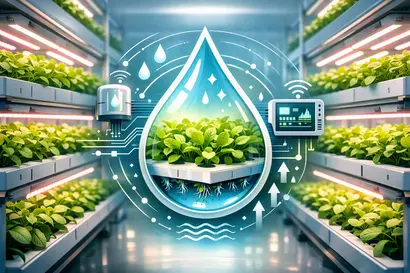
With over 90% of its food imported, Singapore epitomizes the vulnerability of urban food systems dependent on external sources. Its ambitious “30 by 30” vision targets producing 30% of its nutritional needs locally by 2030, emphasizing food resilience amidst global market disruptions, climate change, and other risks. Vertical farming emerges as an effective response by leveraging multi-layered cultivation within compact indoor facilities.
Artisan Green, a Singapore-based commercial hydroponic farm, cultivates over 20 varieties of fresh greens in just 300 square meters using pesticide-free, fully controlled environments. This approach drastically improves yield per square meter compared to traditional farming and conserves critical resources such as water, using up to 90% less than soil-based agriculture. Thus, vertical farming aligns seamlessly with urban sustainability goals.
Technology Driving Sustainable and Precise Crop Management
The backbone of these advanced farms is the integration of automated farm management systems, digitalizing plant science to optimize growing conditions. Collaborative efforts between tech firms and agricultural experts have developed platforms managing nutrient delivery, lighting spectra, and environmental parameters precisely tailored to each crop’s growth stage.
For instance, automated nutrient injectors create customized fertilizer recipes stored in digital databases, delivering exact nutrient profiles on demand. Simultaneously, automated LED lighting systems adjust light intensity and wavelength to enhance photosynthesis and increase the production of aromatic compounds in plants. This precision agriculture approach boosts crop quality and volume while minimizing resource use and operational costs.
Remote Monitoring Enhances Efficiency and Sustainability
Remote access to key data like energy and water consumption enables real-time monitoring and adjustments, ensuring equipment runs at optimum efficiency. Such data transparency contributes directly to sustainability by reducing electricity use and lowering overall operational costs. These technological innovations also support the scaling of operations, evidenced by Artisan Green’s plan to expand from a 300 to a 5,500 square meter farm, increasing production capacity 30-fold while maintaining environmental stewardship.
Strengthening Urban Food Security through Local Production
By embedding vertical farms within urban areas, cities like Singapore reduce dependence on imports and build resilience against external supply shocks. Localized production shortens supply chains, reduces food wastage through better harvest planning, and ensures year-round availability of nutritious fresh produce to residents.
The development of vertical farming ecosystems nurtures a growing talent pool skilled in both agriculture and technology, fostering innovation and collaboration essential for meeting sustainability and decarbonization goals. This model represents a promising blueprint for other densely populated urban centers facing similar challenges.
Supporting Sustainable Food Systems with Innovation
Combining vertical farming systems with data-driven agriculture advances sustainable food systems as a whole. Leveraging smart automation, these farms can optimize inputs and maximize outputs in a controlled, resource-efficient manner, thereby contributing to the broader imperative of sustainable urban living.
Conclusion
Vertical farming plays a crucial role in enhancing urban food security by offering resource-efficient, high-yield production in limited spaces. Singapore's innovative use of technology, including advanced hydroponics and automated farm management systems, demonstrates how urban centers can reduce their reliance on imported food while increasing local resilience and sustainability. As cities continue to face growing food demands and environmental pressures, vertical farming stands out as a scalable, sustainable solution to secure fresh nutritious food for urban populations.
Learn more about how vertical farming supports sustainable practices and local economies at the following pages: Vertical Farming Systems, Sustainable Food Systems, and Vertical Farming Impact on Local Economies.
Vertical farming using hydroponics is a smart solution for sustainable vegetable production. It saves space, uses less water, and delivers fresh, nutrient-rich crops all year . Perfect for urban agriculture and future food security #Hydroponics #VerticalFarming #SmartAgriculture https://t.co/qbdm6y1pti
— Albert Founder of GIB farm Ltd (@MANIRAFASHAAlb2) October 30, 2025