As climate variability increasingly threatens traditional agriculture, vertical farming emerges as a promising solution to building resilient and sustainable food production systems. By growing crops in controlled, vertically stacked environments, vertical farming addresses challenges like soil degradation and seasonal growth limitations. However, developing climate resilience strategies within vertical farming is crucial to ensure long-term viability, profitability, and environmental sustainability.
Challenges in Vertical Farming and Climate Resilience
Despite its innovative nature, vertical farming has faced significant hurdles, particularly due to high energy costs. Maintaining precise climate control, including lighting, temperature, humidity, and ventilation, consumes a substantial amount of electricity. Inefficient facility designs with suboptimal airflow have exacerbated these energy demands, sometimes causing disease outbreaks that diminish crop yields and increase operational expenses.
Moreover, premature large-scale expansion and complex automation systems have led to financial losses for many ventures. These factors emphasize that climate resilience is not solely about weatherproofing crops but also about designing systems that are economically and operationally sustainable amid climate pressures.
Innovative Approaches to Building Climate Resilience in Vertical Farming
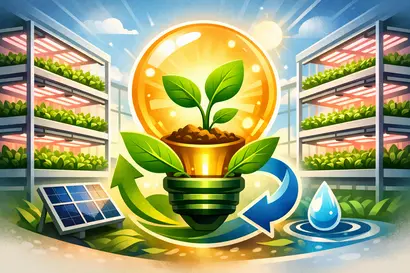
To tackle these challenges, the vertical farming industry is shifting towards more strategic and data-driven models focusing on sustainability and productivity. One key strategy is optimizing energy use by incorporating advanced lighting systems and more efficient climate control technologies. Designing buildings to maximize natural airflow and thermal regulation reduces dependency on artificial ventilation, improving both resilience and cost efficiency.
Additionally, prioritizing niche, high-value crops tailored for specific markets supports economic resilience. For instance, specialized crops like premium Japanese strawberries have found success by catering to upscale food sectors, avoiding the pitfalls faced by large-scale leafy green producers. This targeted approach can enhance profitability while maintaining the sustainable use of resources.
Collaboration and Education as Pillars of Resilience
Building climate resilience in vertical farming also requires a collaborative approach. Partnerships between technology developers, agricultural researchers, government bodies, and farmers accelerate innovation and resource sharing. This united effort helps develop smarter solutions tailored to diverse environments and climate conditions worldwide.
Equally important is education—equipping both the new generation of farmers and those accustomed to traditional methods with knowledge of vertical farming technologies. Training programs and curricula foster the expertise necessary to implement and maintain adaptive, climate-resilient farming systems.
The Future of Vertical Farming for Sustainable Food Systems
Vertical farming holds vast potential to transform food systems by enhancing urban food security, minimizing environmental impacts, and adapting to climate challenges. Success depends on embracing a continuous improvement cycle prioritizing innovation, collaboration, and education. These efforts will optimize operations, reduce resource consumption, and sustain productivity through climate variability, especially in regions with extreme weather or limited arable land.
For those interested in exploring further, CropOne’s resources on sustainable food systems and implementing vertical farming in urban settings provide valuable insights into practical pathways toward resilient agriculture.
Conclusion
Adapting vertical farming to be climate-resilient involves more than adopting new technologies—it demands redesigning farming systems for energy efficiency, cultivating profitable crop niches, fostering collaboration, and advancing education. By learning from past challenges and adopting strategic, data-driven practices, vertical farming can thrive as a pivotal component of sustainable, resilient food production that supports both local economies and global food security.
Vertical farming using hydroponics is a smart solution for sustainable vegetable production. It saves space, uses less water, and delivers fresh, nutrient-rich crops all year . Perfect for urban agriculture and future food security #Hydroponics #VerticalFarming #SmartAgriculture https://t.co/qbdm6y1pti
— Albert Founder of GIB farm Ltd (@MANIRAFASHAAlb2) October 30, 2025